


Blog
Shipping Containers for Sale: Prices, Sizes and Buying Guide

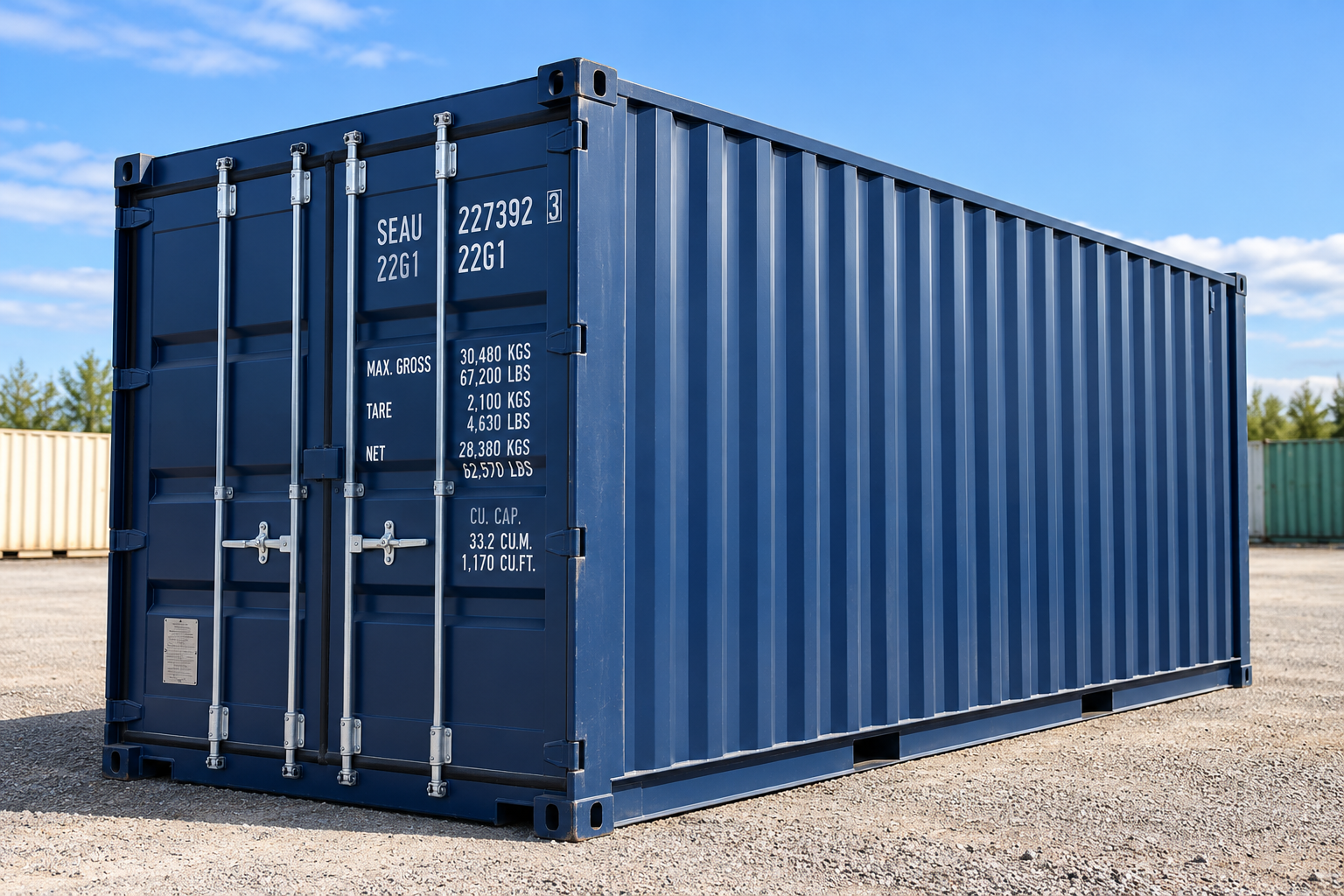
Are you looking for shipping containers for sale? Whether you need secure storage for your business, additional space for a construction project, or a specialised container for commercial use, choosing the right container is an important decision.
At SEA-CAN CONTAINERS LTD, we offer a range of container solutions designed to meet different storage and business requirements. Our product range includes 10ft containers, 20ft containers, 40ft containers, high-cube containers, office containers, refrigerated containers and modified units.
With different sizes, specifications and prices available, understanding your options can help you choose a container that suits your requirements and budget.
In this guide, we explain the different types of shipping containers available, explore example prices from our online catalogue, and share practical advice to help you make an informed buying decision.
Looking for a container now? Visit our online shipping container shop to explore our products and current listings.
How Much Does a Shipping Container Cost?
Shipping container prices vary depending on the size, condition, specification and intended use.
A standard storage container may cost less than a modified office container or a refrigerated unit because specialist features can increase the overall price.
At SEA-CAN CONTAINERS LTD, our online catalogue displays a variety of container options at different price points.
Here are examples of products and prices displayed in our online shop when this article was prepared.
| Shipping container | Displayed price |
|---|---|
| 10ft High Cube Shipping Container | $1,250 |
| 10ft Shipping Container with Steel Floor | $1,150 |
| 10ft Drip Tray Shipping Container | $1,500 |
| 10ft Office Container | $1,850 |
| 10ft Refrigerated/Freezer Container | $2,250 |
These prices are examples from our online catalogue, not a complete price list. Prices and promotions may change, so please check the relevant product page for the current price.
The final amount payable may also depend on delivery arrangements, applicable taxes and any additional requirements.
To explore the available products, visit our shipping container shop.
What Factors Affect Shipping Container Prices?
Before choosing a container, consider the following factors.
1. Container size
The size you need will depend on what you intend to store and the amount of available space at your site.
2. Container condition
New and used containers may differ in price. If you are considering a used unit, check its condition, door operation, floor and weather resistance.
3. Container type
Standard storage containers, high-cube units, refrigerated containers and office containers serve different purposes. Their specifications and prices can vary considerably.
4. Additional features
Specialist doors, flooring, insulation, refrigeration equipment and modifications may affect the price.
5. Delivery arrangements
The cost of transporting and positioning a container depends on your location, access conditions and the equipment required.
When comparing products, consider the complete cost of purchasing and receiving the container rather than looking at the advertised price alone.
What Size Shipping Container Should You Buy?
Choosing the correct size can help you make better use of your available space and avoid purchasing a container that is either too small or unnecessarily large.
SEA-CAN CONTAINERS LTD offers several container categories to help customers explore different options.
10ft Shipping Containers
A 10ft shipping container is worth considering when you need additional storage but have limited room for a larger unit.
Potential applications include:
- Storing tools and equipment.
- Keeping business supplies organised.
- Storing suitable materials on construction sites.
- Providing additional storage at commercial premises.
- Keeping garden equipment and other belongings protected.
Our catalogue includes several 10ft options, including high-cube, double-door, office, workshop and refrigerated containers.
The most suitable option will depend on your intended use.
For example, a standard storage unit may suit general equipment storage, while an office container may be more appropriate if you need a dedicated workspace.
Explore our 10ft container options.
20ft Shipping Containers
A 20ft shipping container is a versatile option for businesses and organisations that need a substantial amount of storage space.
Common applications include:
- Storing tools and construction equipment.
- Keeping business inventory secure.
- Storing suitable agricultural supplies.
- Providing additional warehouse capacity.
- Organising equipment at commercial and industrial premises.
A standard 20ft shipping container typically measures approximately 6.06 metres long, 2.44 metres wide and 2.59 metres high externally.
Actual dimensions can vary according to the container specification.
Before purchasing, consider the size of the items you need to store, the available space at your site and the access required for delivery.
Explore our 20ft shipping containers.
40ft Shipping Containers
If you need a larger storage area, a 40ft shipping container may be worth considering.
These containers can be suitable for:
- Businesses with substantial inventory.
- Construction companies storing materials.
- Warehouses requiring extra storage capacity.
- Commercial operations handling bulky goods.
- Agricultural businesses storing suitable equipment and supplies.
A standard 40ft shipping container typically measures approximately 12.19 metres long, 2.44 metres wide and 2.59 metres high externally.
Because of its length, you should pay particular attention to the space available for delivery and positioning.
Make sure your site can accommodate the container and the delivery vehicle safely.
Explore our 40ft shipping containers.
20ft vs 40ft Shipping Containers: Which Is Better?
The right size depends on your storage requirements, available space and budget.
| Feature | 20ft container | 40ft container |
|---|---|---|
| External length | Approximately 6.06m | Approximately 12.19m |
| External width | Approximately 2.44m | Approximately 2.44m |
| Storage capacity | Suitable for moderate requirements | Suitable for larger requirements |
| Space required | Less | More |
| Typical applications | Business, equipment and site storage | Larger-scale storage and commercial use |
If you need to store bulky equipment or large quantities of goods, a 40ft container may be appropriate.
If your site has limited space, a 20ft container may be easier to accommodate.
Remember that actual internal capacity depends on the container’s design and specification.
What Is a High-Cube Shipping Container?
A high-cube shipping container is designed to provide additional internal height compared with a standard container of the same length.
This extra height can be useful when you need to store taller items or make better use of vertical storage space.
High-cube containers may be suitable for:
- Storing taller equipment.
- Accommodating bulky goods.
- Organising materials on shelving.
- Supporting certain container conversion projects.
- Providing additional headroom for suitable storage applications.
Before buying, check the container’s actual internal and external dimensions to make sure it meets your requirements.
You can explore the high-cube options available through the SEA-CAN CONTAINERS LTD website.
Should You Buy a New or Used Shipping Container?
The right choice depends on your budget, intended use and expectations regarding condition.
New Shipping Containers
A new or one-trip container has typically completed one cargo journey and is generally in near-new condition.
Potential advantages include:
- A cleaner external appearance.
- Less cosmetic wear.
- A suitable starting point for certain conversion projects.
- A good option when appearance matters.
However, the exact condition and specification should always be confirmed with the supplier.
Used Shipping Containers
Used containers have typically been used in transport or storage operations and may show signs of previous use.
These can include surface rust, dents, scratches and faded paint.
A used container may be appropriate when you need practical storage and are comfortable with its condition.
Before buying, ask for details about the container’s condition, including its doors, floor, seals and any visible damage.
Which Should You Choose?
Consider the following questions:
- Will the container be used for short-term or long-term storage?
- Does its external appearance matter?
- Will you store equipment that needs additional protection from moisture?
- Does the container need to be modified?
- What is your total budget?
Compare the specifications and condition of the actual units available before making your decision.
If you are unsure, ask the supplier to explain the differences between the available options.
What Other Types of Shipping Containers Are Available?
Not every storage requirement can be met by a standard container.
SEA-CAN CONTAINERS LTD also lists specialist products for different applications.
Office Containers
An office container can provide a dedicated workspace where a suitable installation is possible.
Potential uses include temporary project offices, site administration areas and certain commercial workspace applications.
Before purchasing, consider insulation, ventilation, electrical requirements, access and any applicable building or planning requirements.
Refrigerated Shipping Containers
Refrigerated containers, sometimes called reefer containers, are designed for temperature-controlled storage.
They may be suitable for certain businesses that need to store temperature-sensitive goods.
However, requirements vary depending on the products being stored.
Before buying, confirm the unit’s operating specifications, power requirements, temperature range and maintenance condition.
Do not assume that every refrigerated container is suitable for every type of food, medicine or temperature-sensitive product.
Modified Shipping Containers
Modified containers can be adapted for specific purposes.
Depending on the design, modifications may include additional doors, windows, insulation or other features.
These units may be suitable for specialised commercial applications, but the correct specification will depend on your project.
Always confirm what is included in the advertised product and whether further work will be required.
Double-Door Containers
A double-door container provides access through doors at both ends.
This arrangement may be useful when you need easier access to stored items or want to organise loading and unloading more efficiently.
Check the dimensions and configuration of the specific unit before ordering.
Explore Our Container Range
You can browse our product categories and compare the available options on the SEA-CAN CONTAINERS LTD website.
What Should You Check Before Buying a Shipping Container?
Before placing an order, take the time to check the following details.
1. Confirm the Container’s Dimensions
Measure the available installation area and compare it with the container’s external dimensions.
Remember to allow sufficient space for the delivery vehicle, unloading and safe access.
2. Check the Condition
If you are buying a used container, ask about rust, damage, flooring, doors and seals.
Where possible, request recent photographs of the actual container you intend to purchase.
3. Consider Security
If you intend to store valuable equipment or business stock, examine the locking arrangements and ask about additional security features.
Your site’s wider security arrangements will also matter.
4. Check Ground Conditions
The container should be placed on a suitable, stable and reasonably level surface.
Depending on your site, this may involve prepared hardstanding, concrete or appropriately designed supports.
Proper preparation can help reduce problems associated with uneven support and standing water.
5. Confirm Delivery Requirements
Before ordering, tell the supplier about any potential access restrictions.
These might include:
- Narrow entrances.
- Overhead obstructions.
- Sloping ground.
- Restricted turning space.
- Limited room for unloading.
The supplier may need photographs, measurements or other information to determine whether delivery is feasible.
6. Understand the Total Cost
The advertised product price may not represent the complete cost of receiving and installing your container.
Before purchasing, confirm:
- The container price.
- Applicable taxes.
- Delivery charges.
- Unloading and positioning arrangements.
- Additional equipment or modifications.
- Any other applicable fees.
Request a clear quotation so that you can understand the total amount payable.
How Does Shipping Container Delivery Work?
Delivery arrangements depend on the container’s size, your location and the access available at the destination.
Some deliveries require specialised vehicles or lifting equipment to position the container.
Before confirming an order, make sure the supplier understands your site requirements.
You should also confirm the expected delivery arrangements and whether the site needs to be prepared beforehand.
If access is restricted, explain the situation before placing your order rather than waiting until delivery day.
Our advice: Confirm the delivery arrangements and any additional charges before completing your purchase.
For more information, read our related article: How to Prepare Your Property for Shipping Container Delivery.
How to Choose the Right Shipping Container Supplier
Choosing a suitable supplier is an important part of the buying process.
Before placing an order, consider these points:
Clear product information: Check that the product description explains the container’s type, size and specification.
Transparent pricing: Make sure you understand the advertised price and any additional charges.
Suitable options: Look for a supplier offering products that match your intended application.
Delivery information: Confirm the delivery arrangements before ordering.
Customer support: Choose a supplier who can answer questions about the product and purchasing process.
Written confirmation: Keep a record of your order, agreed specifications, price and delivery arrangements.
Taking these steps can help you make a more informed purchasing decision.
Why Consider SEA-CAN CONTAINERS LTD?
SEA-CAN CONTAINERS LTD offers a range of container products for different storage, business and specialist requirements.
Our online catalogue includes:
- 10ft container options.
- 20ft shipping containers.
- 40ft shipping containers.
- High-cube containers.
- Office containers.
- Refrigerated containers.
- Modified and specialist containers.
- Containers with different configurations and features.
This range allows customers to explore different products according to their intended use.
The best container for you will depend on your space, requirements, budget and delivery arrangements.
To explore the current catalogue, visit our online shop.
Find the Right Shipping Container for Your Needs
Choosing a shipping container starts with understanding what you need to store, how much space is available and which features matter most.
A 10ft container may suit a smaller storage requirement, while a 20ft or 40ft unit may be more appropriate for larger quantities of equipment or stock.
If you need additional height, a high-cube container may be worth considering. If your project requires a workspace or temperature-controlled storage, a specialist container could be a better fit.
At SEA-CAN CONTAINERS LTD, our online catalogue provides a range of products to help you explore your options.
Ready to find your shipping container?
Visit SEA-CAN CONTAINERS LTD to browse our products, compare available options and review current prices.
Choose a container that suits your requirements, and confirm the product specifications and delivery arrangements before ordering.
Frequently Asked Questions
1. How much does a shipping container cost?
The price depends on the container’s size, condition, specification and features. SEA-CAN CONTAINERS LTD lists several container types at different price points. Check the relevant product listing for the current price.
2. What size shipping container should I buy?
A 10ft container may suit smaller storage requirements, a 20ft container can provide versatile general storage, and a 40ft container may be suitable for larger requirements. Consider your available space and delivery access before choosing.
3. What is the difference between a standard and high-cube container?
A high-cube container offers additional height compared with a standard container of the same length. It may be useful when storing taller items or making use of additional vertical space.
4. Are used shipping containers worth buying?
A used container may offer a practical storage solution if its condition meets your requirements. Inspect or request details about its doors, floor, seals, corrosion and general condition before purchasing.
5. Can I buy a shipping container for use as an office?
Office containers are available for workspace applications. Before purchasing, consider insulation, ventilation, electricity, access and any applicable planning or building requirements.
6. Are refrigerated shipping containers available?
SEA-CAN CONTAINERS LTD lists refrigerated and freezer container products. Check the specifications of the individual unit to confirm that it meets your temperature-control and power requirements.
7. Does the price include delivery?
Do not assume that delivery is included in the displayed product price. Confirm the delivery arrangements, any additional charges and the total amount payable before placing your order.
8. How do I order a shipping container?
Browse the products on the SEA-CAN CONTAINERS LTD website, select a suitable option and review its current listing. Before completing your purchase, confirm the specifications, availability, delivery arrangements and any applicable charges.
Prices may change, and availability can vary. Please check the individual product listings on our website for current prices. Final cost may also depend on delivery charges. Browse our shipping containers
What Affects Shipping Container Prices?
Several factors influence the cost of a shipping container.
1. Container size
Smaller containers may suit limited storage requirements, while larger containers provide more space for equipment, stock and materials.
2. Container condition
New and used containers can differ in price. Before buying a used container, check its condition, doors, flooring and weather resistance.
3. Container type
Standard containers, high-cube containers, office containers and refrigerated containers serve different purposes and have different specifications.
4. Additional features
Specialist flooring, extra doors, insulation, refrigeration equipment and other modifications may affect the total cost.
5. Delivery arrangements
Delivery costs depend on your location, site accessibility, container size and the equipment needed to unload and position the container.
Always confirm the total cost before placing your order.
What Size Shipping Container Should You Buy?
Choosing the correct container size helps you make the most of your available space and budget.
Before purchasing, consider what you intend to store, how much room you have and whether a delivery vehicle can access your property.
10ft Shipping Containers
A 10ft shipping container can be a practical option when you need additional storage but have limited space.
Common uses include:
Storing tools and equipment.
Keeping business supplies secure.
Storing suitable construction materials.
Providing additional storage at commercial premises.
Storing gardening equipment and other belongings.
Our catalogue includes different 10ft container options, including high-cube, office, double-door and refrigerated models.
The right choice depends on your intended use and features you require. Explore our 10ft workshop shipping containers
20ft Shipping Containers
A 20ft shipping container is a versatile option for businesses and individuals who need substantial storage space.
Typical applications include:
- Storing tools and construction equipment.
- Keeping business inventory secure.
- Storing suitable agricultural supplies.
- Providing additional warehouse storage.
- Organising equipment at commercial premises.
A standard 20ft shipping container measures approximately 6.06 metres long, 2.44 metres wide and 2.59 metres high externally.
Actual dimensions can vary depending on the container specification, consider the items you need to store and the amount of space available at your site. Explore our 20ft containers
40ft Shipping Containers
A 40ft shipping container is suitable for buyers who require a larger storage area.
Common applications include:
- Storing larger quantities of business inventory.
- Keeping construction materials and equipment secure.
- Providing additional warehouse capacity.
- Storing suitable agricultural equipment.
- Supporting commercial and industrial operations.
A standard 40ft shipping container measures approximately 12.19 metres long, 2.44 metres wide and 2.59 metres high externally.
Because of its size, you should check that your property has sufficient space for delivery, unloading and positioning.
Explore our 40ft containers: https://seacancontainersltd.com/product-category/40ft-containers/
20ft vs 40ft Shipping Containers: Which Is Better?
The best size depends on your storage requirements, available space and budget.
| Feature | 20ft Container | 40ft Container |
|---|---|---|
| External length | Approximately 6.06m | Approximately 12.19m |
| External width | Approximately 2.44m | Approximately 2.44m |
| Storage capacity | Suitable for moderate requirements | Suitable for larger requirements |
| Space required | Less | More |
| Typical uses | Business and general storage | Larger-scale commercial storage |
A 20ft container may be suitable when space is limited, while a 40ft container provides more room for larger storage requirements.
Always check the dimensions of the specific product before purchasing.
What Is a High-Cube Shipping Container?
A high-cube shipping container offers additional height compared with a standard container of the same length.
The extra height can be useful when storing taller items or making better use of vertical storage space.
High-cube containers may be suitable for:
- Storing taller equipment.
- Accommodating bulky goods.
- Organising materials on shelving.
- Supporting suitable container conversion projects.
- Providing additional headroom for storage.
Before purchasing, check the internal and external dimensions to ensure the container meets your requirements.
Visit our website at www.seacancontainersltd.com to explore the available high-cube container options
Should You Buy a New or Used Shipping Container?
New and used shipping containers can both provide practical storage solutions. The right option depends on your budget, intended use and expectations regarding condition.
New Shipping Containers
New or one-trip containers have typically completed one cargo journey and are generally in near-new condition.
Potential advantages include:
- A cleaner external appearance.
- Less cosmetic wear.
- Suitability for certain conversion projects.
- An option for buyers who prioritise appearance.
Always confirm the condition and specification of the individual container before ordering.
Used Shipping Containers
Used containers have typically been used in transport or storage operations and may show signs of previous use.
These may include scratches, dents, surface rust and faded paint.
A suitable used container can be a cost-effective choice for general storage.
Before buying, ask about the container’s condition, including the floor, doors, seals and any visible damage.
Which Option Should You Choose?
Consider the following questions:
- What will you store inside the container?
- How long do you intend to use it?
- Does its appearance matter?
- Will you need to modify it?
- What is your budget?
Compare the condition and specifications of the available containers before making your decision.
What Other Types of Shipping Containers Are Available?
Different projects require different container specifications. In addition to standard storage containers, our online catalogue includes specialised options.
Office Containers
Office containers can provide dedicated workspace for certain commercial and industrial applications.
Potential uses include temporary project offices, construction site administration and additional workspace.
Before purchasing, consider insulation, ventilation, electricity, access and applicable building or planning requirements.
Refrigerated Shipping Containers
Refrigerated shipping containers, also known as reefer containers, are designed for temperature-controlled storage.
They may be suitable for businesses that require temperature-controlled environments for appropriate goods.
Before purchasing, confirm the operating temperature range, power requirements, equipment condition and maintenance history.
Make sure the specific unit meets the requirements of the goods you intend to store.
Modified Shipping Containers
Modified shipping containers can be adapted for particular applications.
Depending on the design, modifications may include additional doors, windows, insulation and other features.
Before ordering, confirm which modifications are included and whether any additional work will be required.
Double-Door Shipping Containers
Double-door containers provide access through doors at both ends.
This configuration may be useful when you need easier access to stored items or want to organise loading and unloading more efficiently.
Check the specifications of the individual product before purchasing.
Explore our available container options: https://seacancontainersltd.com/
What Should You Check Before Buying a Shipping Container?
Before purchasing a shipping container, consider these important factors.
1. Check the Dimensions
Measure the available space and compare it with the container’s external dimensions.
Remember to allow room for the delivery vehicle and unloading process.
2. Inspect the Condition
If you are buying a used container, ask about rust, dents, flooring, doors and seals.
Where possible, request recent photographs of the actual container you intend to purchase.
3. Consider Security
If you intend to store valuable equipment or business stock, check the locking arrangements and ask about additional security features.
4. Prepare the Ground
The container should be placed on a suitable, stable and reasonably level surface.
Depending on the site, this may involve prepared hardstanding, concrete or appropriately designed supports.
Proper preparation can help reduce problems associated with uneven support and standing water.
5. Confirm Delivery Arrangements
Before ordering, tell the supplier about any access restrictions.
These may include:
- Narrow entrances.
- Overhead obstructions.
- Sloping ground.
- Limited turning space.
- Restricted unloading areas.
Providing accurate information before ordering helps the supplier assess the delivery requirements.
6. Understand the Total Cost
Before completing your purchase, confirm:
- The container price.
- Applicable taxes.
- Delivery charges.
- Unloading and positioning arrangements.
- Additional equipment or modifications.
- Any other applicable fees.
Request a clear quotation so you understand the total amount payable.
How Does Shipping Container Delivery Work?
Shipping container delivery depends on your location, the container size and the access available at your property.
Some deliveries require specialised vehicles or lifting equipment to position the container safely.
Before confirming an order, make sure the supplier understands your site requirements.
You should also confirm whether the ground needs preparation and whether additional delivery charges apply.
If access is restricted, explain the situation before placing your order.
For more information, read our related article:
How to Prepare Your Property for Shipping Container Delivery
Link this heading to your existing blog post in WordPress.
How to Choose the Right Shipping Container Supplier
Choosing a suitable supplier is an important part of the buying process.
Before placing an order, consider the following.
Clear product information: Check that the description explains the container’s size, type and specification.
Transparent pricing: Confirm the advertised price and any additional charges.
Suitable products: Choose a container that matches your intended application.
Delivery arrangements: Understand how the container will be delivered and unloaded.
Customer support: Make sure you can obtain answers to your questions before purchasing.
Written confirmation: Keep a record of the agreed product specification, price and delivery arrangements.
Taking these steps can help you make an informed purchasing decision.
Why Choose SEA-CAN CONTAINERS LTD?
SEA-CAN CONTAINERS LTD offers a range of shipping containers for different storage, commercial and specialist requirements.
Our online catalogue includes:
- 10ft shipping containers.
- 20ft shipping containers.
- 40ft shipping containers.
- High-cube containers.
- Office containers.
- Refrigerated containers.
- Modified containers.
- Double-door containers and other specialised options.
With different sizes and specifications available, you can explore the products and identify an option that suits your requirements.
Visit our website to browse the current catalogue and check the latest product prices.
Shop shipping containers: https://seacancontainersltd.com/
Find the Right Shipping Container for Your Needs
Choosing the right shipping container starts with understanding what you need to store, how much space is available and which features matter most.
A 10ft container may suit smaller storage requirements, while a 20ft or 40ft container may be more appropriate for larger quantities of equipment or stock.
If you need additional height, a high-cube container may be worth considering. If your project requires a workspace or temperature-controlled storage, a specialised container may be a better fit.
At SEA-CAN CONTAINERS LTD, our online catalogue offers a variety of container options to explore.